
Himachal Pradesh’s Baba Balak Nath Temple gets a modern revamp under IAS Gandharva Rathore
IAS Gandharva Rathore is transforming Himachal Pradesh's Baba Balak Nath Temple with digital services, transparent governance, improved infrastructure, sustainable development and livelihood opportunities for local communities.
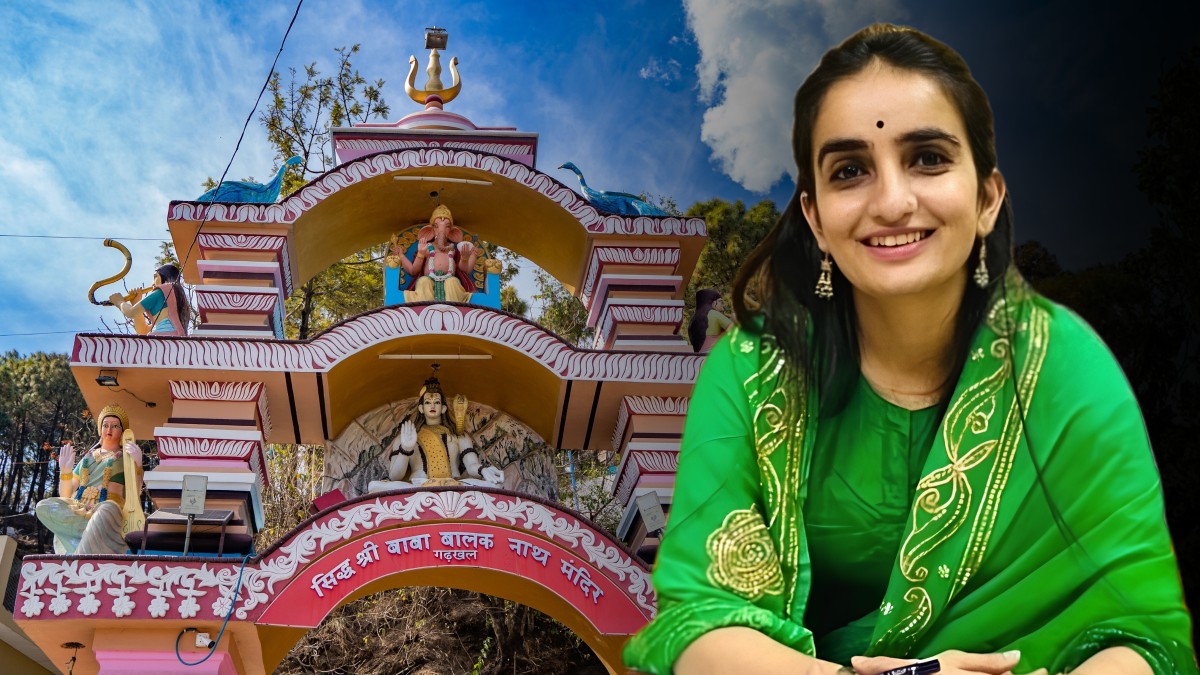
Baba Balak Nath Temple in Himachal Pradesh, that hosts millions of devotees every year gets a modern revamp. Leading this transformation is IAS Gandharva Rathore, a 2016 batch officer of Himachal Pradesh cadre and currently posted as Deputy Commissioner of Hamirpur. The series of initiatives focuses on holistic development of the temple by enhancing the experience of devotees, promoting transparency in administration, empowering local communities and ensuring environmentally sustainable development in and around the site.
Temple services, now online
At the heart of this initiative is the complete upgradation of the temple's official website into a one-stop digital platform. Devotees can now access live darshan, book all temple facilities including lodging and community halls online and check information on rituals, festivals and temple timings and even receive blessed prasad at their doorstep. Responding to a long-standing demand, the live darshan facility also enables elderly devotees, persons with disabilities and those unable to travel to remain connected with the temple virtually.
Designed with an improved user interface and mobile friendly access, the platform has made temple services more accessible to devotees across India and abroad.
A transparent temple system
The reforms extend beyond digitisation to strengthen governance and accountability. Online booking of all nine temple sarais and community halls has replaced manual processes, ensuring transparent and fair allotment while improving revenue generation. Strengthening financial accountability, a comprehensive Standard Operating Procedure (SOP) for donation management has also been introduced for counting, recording and deposit of temple offerings. Furthermore, precious metals like gold and silver can no longer be stored on the premises and must be moved to bank lockers within 7 days and deposited into government Gold Schemes. Bank representatives must also be physically present in the counting hall to verify the cash simultaneously, ensuring all verified money is safely deposited on the very same day.
The expanded CCTV surveillance network further enhances security, crowd management and on ground transparency.
Creating livelihoods, empowering communities
The initiative extends beyond temple management to create meaningful livelihood opportunities. In collaboration with India Post, temple prasad is now prepared and packaged by local Self Help Groups (SHGs) before being delivered to devotees across the country.A dedicated HIMIRA outlet within the temple premises provides SHGs with a platform to market locally made products while turmeric grown in Hamirpur is being processed into temple tilak and organic sindoor, promoting entrepreneurship and creating additional income for local communities.
Better infrastructure & green governance
Alongside governance reforms, the District Administration is improving pilgrim infrastructure through the construction of modern sanitation facilities, wider pathways and better public amenities. Looking ahead, keeping in mind sustainability- a sewage treatment plant (STP) and a biogas plant has been integrated into the temple's long-term vision ensuring scientific treatment of wastewater,effective waste management, production of clean energy from biodegradable waste and environmentally sustainable temple operations.
By integrating digital services, strengthening governance, improving infrastructure and creating livelihood opportunities for Self Help Groups, IAS Gandharva Rathore is transforming the temple into a model institution that upholds spiritual traditions while embracing modern standards of public service and good governance.
Comments (0)
No comments yet. Be the first.